Testing for Radon Gas: HOW TO!
If you’re concerned about radon in your home, the first step is testing. Here is what you need to know.
Each year, the Canadian National Radon Proficiency Program (C-NRPP) publishes a performance report on consumer-grade electronic radon monitors to help homeowners make informed decisions. The below is a guide for what to buy and how to set it up.
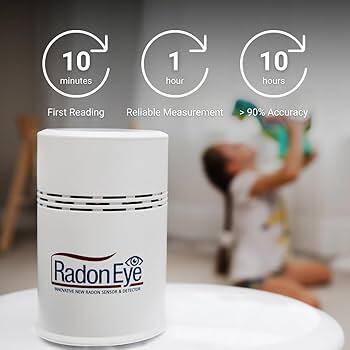
1. Short-Term Readings Can Be Misleading
Electronic radon monitors provide results very quickly.
However, radon levels fluctuate daily and seasonally. According to C-NRPP, testing should be done for a minimum of 3 months, preferably during the heating season, when radon levels are typically highest.
Measurements can be significantly higher or lower than your true annual average. If you only test for a few days, you may not get an accurate picture.
Focus on the long-term average, not a 24-hour spike!
2. Where and How to Place Your Monitor
C-NRPP recommends placing your radon monitor in:
-
A room that is occupied for at least 4 hours per day
-
The lowest level of the home that is regularly used (often the basement)
If you only have access to a digital monitor for less than 91 days, C-NRPP recommends following up with a long-term radon test kit.
**DO NOT TOUCH/MOVE YOUR LONG TERM TEST KIT. Avoid constantly moving a short-term device, too**
3. Approved Consumer Devices (2024/25)
The following radon monitors were included in the C-NRPP 2024/25 performance testing:
Airthings
-
Corentium Home
-
View
Aranet
-
RN+
Ecosense
-
EcoQube
-
RadonEye
SunRadon
-
Luft
Each of these devices provides short-term and long-term averaging features, though the way they display data (screen vs. mobile app) and power source (battery vs. plug-in) varies.
These devices cannot be professionally calibrated and are not approved for professional measurement use. They are intended strictly for homeowners testing their own homes.
4. Devices That Are NOT Recommended
C-NRPP specifically lists several consumer radon monitors that are not recommended.
-
Air Steward
-
Bootu RN-80
-
Boyd Gresham Radon Detector
-
CRADTEC PRM-02H and PRM-03H
-
INKBIRD models (including INK-RD2)
-
LifeBasis models
-
Radon Guard
-
Spolehli
If you see one of these devices online at a discounted price, avoid it.
5. What Radon Level Requires Action?
Health Canada’s guideline is:
-
200 Bq/m³ or higher = Mitigation recommended.
Many homeowners choose to reduce levels via mitigation even below 200 Bq/m³ for peace of mind and long-term health protection.
Always base your decision on the long-term average, not short-term fluctuations!
If you choose to test yourself:
-
Use a monitor included in the C-NRPP performance report
-
Test for at least 3 months
-
Focus on long-term averages
-
Avoid recalled or non-recommended devices
If you have questions about your results or want certified testing, contact our team at Advanced Basement Systems. We’re here to help you make informed, confident decisions about your home’s safety.
About the author